How Can You Safely Reset a Tripped Circuit Breaker Without Damaging Your System
A tripped circuit breaker can stop power to specific parts of your home and disrupt the function of appliances or tools. Resetting it is usually a simple task, but it must be done with care to avoid electrical issues. Here, we will look into the causes behind a tripped breaker, the correct reset method, and signs that indicate deeper problems in the electrical setup.
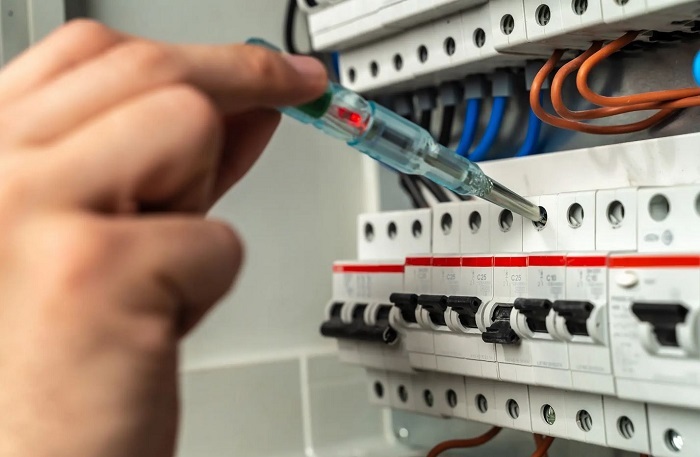
Why a Breaker Trips
A circuit breaker trips to protect the wiring and connected devices from overloads, short circuits, or ground faults. An overload happens when several devices draw more current than the circuit can handle. A short circuit or ground fault may occur due to damaged wiring or internal faults in an appliance. These interruptions prevent overheating and protect your electrical system from failure.
Before attempting a reset, identify whether a high-power appliance was running or if the trip happened unexpectedly. This initial step helps reduce repeated tripping.
Steps to Reset a Tripped Breaker Safely
The reset process must follow a clear and steady sequence.
Step 1: Turn Off All Devices on the Circuit
Switch off lights, appliances, and other devices linked to the affected circuit. This reduces sudden power demand when the breaker is restored.
Step 2: Access the Electrical Panel
Open your breaker panel, usually found in a garage, basement, hallway, or utility area. Inside, you will find multiple switches. A tripped breaker commonly rests between ON and OFF.
Step 3: Move the Breaker Fully to OFF
Press the switch to the OFF position. This prepares the breaker for a proper reset.
Step 4: Switch It Back to ON
Push the switch to ON. If the breaker remains in this position, power will return. If it trips again immediately, there may be a problem in the circuit.
If the Breaker Keeps Tripping
Repeated tripping is a signal of either a wiring issue or a failing breaker. Disconnect some devices and attempt the reset again. If the trip continues, move forward with further checks.
Many homeowners search for how to tell if a breaker is bad when they face constant breaker trips. Some common signs include:
• Heat from the breaker housing
• Burn marks or discoloration on the switch
• A burnt odor near the panel
• A switch that feels loose or unstable
• Instant tripping even when no devices are connected
These symptoms often indicate that the breaker is no longer functioning correctly. A damaged breaker cannot provide proper circuit protection and may require replacement.
Conclusion
Resetting a tripped breaker is a straightforward process when done with the proper steps. Turning off connected devices, moving the switch to OFF before restoring it, and observing how the breaker behaves afterward helps maintain safe operation. If constant tripping occurs or you notice signs listed under how to tell if a breaker is bad, the breaker may need further inspection or replacement. Following these steps helps maintain a steady and safe electrical setup.