How Has the Metro Expansion Transformed the Flat Market in Porur
Porur has long been known as a residential locality with steady growth driven by its proximity to major employment zones. Over the last few years, the expansion of the Chennai Metro has played a major role in reshaping the housing demand in this area. Improved connectivity has changed how people evaluate location, travel time, and long-term value when choosing a home. As a result, the flat market in Porur has seen noticeable shifts in buyer interest, pricing trends, and development activity.
Improved Connectivity and Daily Commute
One of the most visible changes brought by the metro expansion is the reduction in travel time. Porur was earlier dependent mainly on road transport, which often meant delays during peak hours. With metro access improving, residents can now travel to key parts of the city with better time predictability. This has made Porur more practical for professionals working in IT corridors, business districts, and commercial hubs.
Shorter and more reliable commutes have directly influenced housing demand. Many homebuyers now view Porur as a workable residential option rather than a distant suburb. This shift has expanded the buyer base, especially among working professionals and families looking for long-term stability.
Increased Interest From Homebuyers
As metro connectivity improves, buyer perception of Porur has changed. Earlier, the area appealed mainly to local residents or buyers with specific budget considerations. Now, interest has widened to include buyers from other parts of Chennai who previously overlooked the locality due to travel concerns.
This change in perception has supported demand for Flats in Porur, particularly among first-time buyers. Accessibility to metro stations has become a deciding factor during property selection, often influencing how quickly units are booked in projects located closer to transit routes.
Impact on Property Prices
Metro expansion usually brings a gradual increase in property values, and Porur is no exception. Areas with better access to metro stations have seen steady appreciation rather than sudden spikes. This pattern indicates healthy growth driven by actual demand rather than short-term speculation.
While prices have increased, they remain relatively balanced compared to more saturated parts of the city. Buyers often view current pricing as reasonable when measured against connectivity benefits, infrastructure growth, and future development potential. This balance has helped maintain consistent transaction volumes in the flat market.
Shift in Development Activity
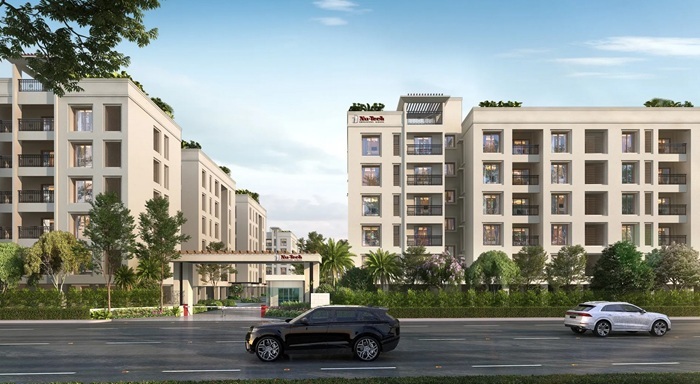
Developers have responded to metro-driven demand by focusing on mid-rise and apartment-based projects. There has been a noticeable move away from isolated developments to projects that offer practical layouts and everyday convenience. Builders are also paying closer attention to project locations in relation to metro corridors.
New residential projects often highlight metro access as a key feature. This focus reflects changing buyer priorities, where connectivity now ranks alongside factors such as layout, pricing, and neighborhood access. The flat market has adapted accordingly, with supply aligning more closely with actual lifestyle requirements.
Rental Market Changes
The rental segment in Porur has also benefited from metro expansion. Tenants working in different parts of the city now find Porur suitable due to improved travel options. This has increased rental inquiries, especially for well-connected apartment complexes.
Landlords have observed better occupancy rates and stable rental returns. For investors, this has added another layer of appeal, as rental demand is supported by consistent commuter movement rather than seasonal factors. The presence of metro connectivity has reduced vacancy periods for many properties.
Infrastructure and Supporting Growth
Metro projects often lead to supporting infrastructure improvements, and Porur has experienced this effect. Road upgrades, better traffic management, and improved access points have followed metro development. These changes contribute indirectly to residential demand by improving daily convenience.
Commercial establishments, educational institutions, and healthcare facilities have also expanded in response to rising population density. This broader development cycle has strengthened Porur’s position as a self-sufficient residential area rather than a purely transit-linked locality.
Buyer Decision-Making Patterns
Homebuyers today evaluate properties with a longer outlook. Metro connectivity has become a factor linked to future value retention rather than short-term convenience alone. Buyers are more willing to invest in flats located near metro routes, even if possession timelines extend slightly.
This shift has influenced how Flats in Porur are marketed and selected. Proximity to stations, ease of last-mile travel, and surrounding infrastructure now play a central role in final purchase decisions.
Long-Term Outlook for Porur
The transformation of Porur’s flat market due to metro expansion appears sustainable. Demand is supported by real usage benefits rather than temporary trends. As metro services stabilize and surrounding areas continue to develop, Porur is likely to remain relevant for both end-users and investors.
Instead of rapid fluctuations, the market reflects gradual growth supported by connectivity, livability, and steady infrastructure progress. For buyers evaluating long-term residential options, Porur now stands as a location shaped by practical urban development rather than short-term attention.
Conclusion
The metro expansion has played a defining role in reshaping Porur’s flat market. Improved connectivity has influenced buyer interest, pricing stability, development patterns, and rental demand. These changes reflect a broader shift in how urban housing markets respond to transit-led growth. Porur’s evolution shows how transport infrastructure can steadily redefine residential value without disrupting market balance.