What Factors Should You Consider When Selecting a Hydraulic Hose for Industrial Equipment
Hydraulic hoses are an important part of industrial equipment because they carry hydraulic fluid between different components. They help machines perform various operations by transferring pressure from one point to another.
In certain instances, choosing the wrong hydraulic hose can affect the performance of the equipment. It can also cause leakage, pressure loss, hose damage, and unexpected machine failure.
Therefore, you must consider several factors before selecting a hydraulic hose for industrial equipment. We are going to discuss the important factors that you must look into and find the right hose for your application.
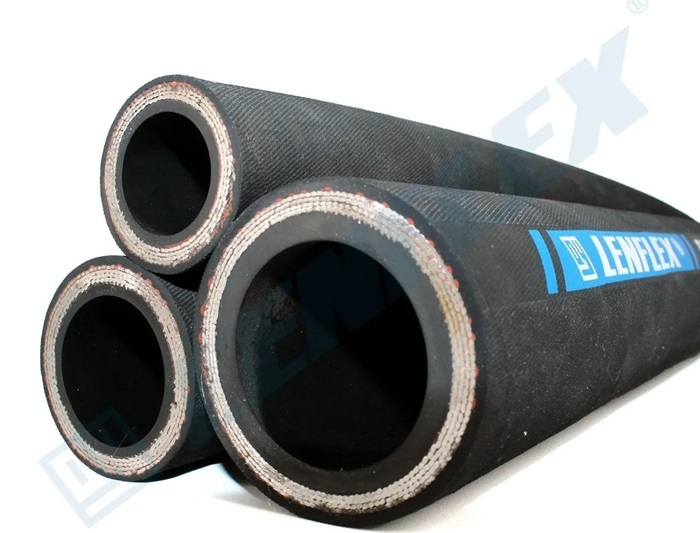
Factors to Consider When Selecting a Hydraulic Hose
There are about 8 important factors that you must consider before choosing a hydraulic hose. Each factor can affect the performance and service life of the hose.
Working Pressure
The working pressure is one of the first things that you must check before selecting a hydraulic hose.
Every hydraulic hose has a specific pressure rating. If the pressure inside the hydraulic system exceeds the hose rating, it can cause the hose to fail.
Therefore, you must check the maximum working pressure of your hydraulic equipment and choose a hose that can handle it.
You should also consider pressure surges because hydraulic systems can sometimes experience sudden increases in pressure.
Hose Size
The size of the hydraulic hose also plays an important role in the performance of the equipment.
A hose that is too small can restrict the flow of hydraulic fluid. This can increase pressure loss and may affect the operation of the machine.
On the other hand, a hose that is too large may not be suitable for the available space in the equipment.
Therefore, check the required internal diameter and length before selecting the hose.
Temperature Range
Hydraulic equipment can operate under different temperature conditions. Because of this, the hose must be suitable for the temperature of the hydraulic fluid and the surrounding environment.
If the temperature is too high for the hose material, it can become damaged over time. Very low temperatures can also affect the flexibility of the hose.
Therefore, check the minimum and maximum operating temperature of the equipment and select a hose that can work within that range.
Hydraulic Fluid Compatibility
Different hydraulic systems can use different types of fluids. The hose material must be compatible with the fluid used in the equipment.
If the hose material is not suitable for the hydraulic fluid, it may become swollen, cracked, or damaged.
Therefore, check the type of hydraulic fluid used in your equipment before purchasing a hose. You can then choose a hose material that is suitable for that particular fluid.
Hose Material
Hydraulic hoses are available in different materials and constructions. The material determines how the hose performs under different operating conditions.
For example, some applications may require a hose that can handle high pressure, while others may need better flexibility or resistance to external damage.
Therefore, consider the working conditions of the equipment and select the hose material accordingly.
If you are purchasing from a China hydraulic hose manufacturer, check the hose construction, material specifications, and application details before selecting the product.
Flexibility
The hose may have to bend around different components inside industrial equipment. Because of this, flexibility is another important factor to consider.
A hose that is not flexible enough can experience excessive bending and stress during operation. This can reduce its service life.
Therefore, check the bending radius of the hose and compare it with the available space and movement inside the equipment.
Environmental Conditions
The environment in which the hydraulic hose operates can also affect its performance.
Industrial equipment may operate in areas where the hose is exposed to heat, moisture, chemicals, dust, abrasion, or other external conditions.
Therefore, you must identify the environmental conditions before choosing the hose. If the hose is exposed to external damage, select a suitable hose construction that can handle those conditions.
Hose Fittings
The hose itself is only one part of the hydraulic connection. The fittings used at both ends must also be compatible with the hose and equipment.
If the fittings are not correctly matched, leakage or connection failure can occur.
Therefore, check the fitting type, thread size, connection method, and pressure rating before installing the hydraulic hose.
Conclusion
These are the important factors that you must consider when selecting a hydraulic hose for industrial equipment. Working pressure, hose size, temperature, hydraulic fluid, material, flexibility, environmental conditions, and fittings can all affect the performance of the hose.
Therefore, do not select a hose based only on its size or price. Check the specifications of your equipment and choose a hydraulic hose that is suitable for the operating conditions.
If you select the right hose according to these factors, you can reduce the possibility of leakage and hose failure and keep your hydraulic equipment working properly.