What Mistakes Should You Avoid When Creating Address Stamps
Address stamps are simple tools that save time in daily mailing tasks. A well made stamp can speed up your work and keep your letters looking consistent. However, small mistakes during creation can lead to poor results. These issues may affect readability, durability, and overall usability.
In this article, we will look at common mistakes to avoid when creating an address stamp and how to fix them.
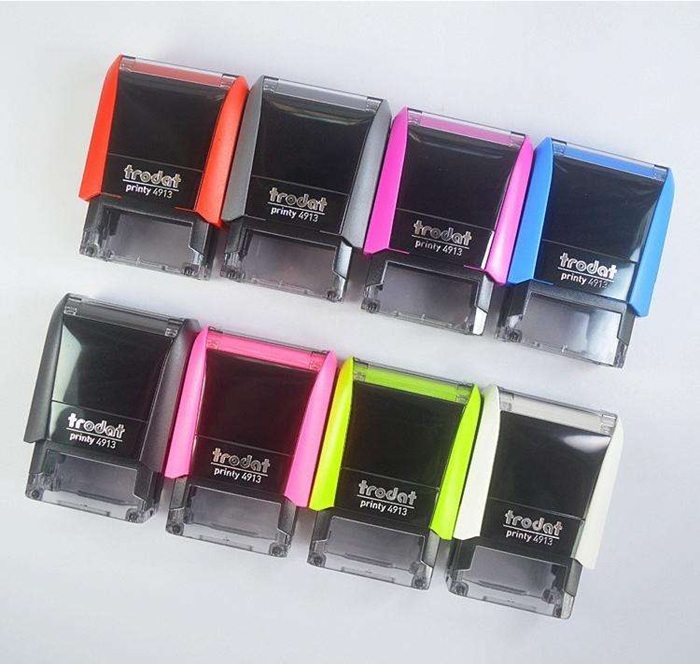
Mistakes To Avoid When Creating Address Stamps
Choosing the Wrong Font Style
One of the most common mistakes is selecting a font that is hard to read. Decorative fonts may look attractive, but they can reduce clarity, especially when stamped on paper.
For an address stamp, readability is the main priority. If the postal details are not clear, it may lead to delivery issues.
Use simple fonts such as sans serif or basic serif styles. Keep the text clean and easy to read even at a small size.
Using Incorrect Text Layout
A poorly arranged layout can make your stamp look crowded. If lines are too close or uneven, the final impression may appear messy.
This often happens when too much information is added without proper spacing.
Break the address into clear lines. Keep equal spacing between each line. Align the text properly so the stamp looks balanced.
Adding Too Much Information
Many users try to include extra details such as phone numbers, email addresses, or slogans. While this may seem useful, it often makes the stamp harder to read.
An address stamp is meant for quick identification. Too much text reduces its effectiveness.
Stick to essential details. This includes your name, street address, city, and postal code. For a Return Address Stamp, keep the content minimal and clear.
Ignoring Stamp Size
Choosing the wrong size can create problems. A stamp that is too small may compress the text, while a large one may not fit well on envelopes.
Size affects both readability and convenience.
Select a size that fits standard envelopes. Make sure the text is large enough to be read easily without taking too much space.
Poor Quality Ink or Material
Low quality ink can cause smudging or fading. This reduces the clarity of your stamp and may require multiple attempts.
The material of the stamp also plays a role. Poor materials may wear out quickly.
Use good quality ink that produces clean impressions. Choose durable stamp materials that can handle repeated use.
Not Testing Before Final Use
Skipping a test run is another common mistake. Without testing, you may not notice alignment issues, spacing errors, or ink problems.
Once the stamp is made, changes can be difficult.
Test the stamp on a blank sheet before regular use. Check for clarity, spacing, and overall appearance. Make adjustments if needed.
Ignoring Alignment During Stamping
Even with a well designed stamp, improper alignment while using it can affect the result. A tilted or uneven impression looks unprofessional.
This usually happens when the stamp is pressed unevenly.
Apply even pressure and place the stamp carefully on the surface. Practice a few times to get consistent results.
Overlooking Long Term Use
Some users focus only on the initial design and forget about long term usage. Over time, stamps may wear out or lose clarity.
Frequent use can affect both the stamp surface and the ink quality.
Choose a durable design and maintain the stamp properly. Replace ink when needed and store the stamp in a safe place.
Conclusion
Creating an address stamp is a simple process, but small mistakes can reduce its effectiveness. By focusing on readability, proper layout, and quality materials, you can avoid most common issues.
A well designed Return Address Stamp saves time and gives a clean and consistent look to your mail. By following these basic steps, you can create a stamp that works reliably for everyday use.